
When Christians think of Ecclesiastes, they probably think of vanity. If it’s been a while since they read or studied the book, they might only remember that famous line: “Vanity of vanities, all is vanity.”
And yet, even though “all is vanity,” not all of Ecclesiastes is about vanity!
A surprising thread runs through this gem of ancient wisdom literature. The Preacher wants his hearers to sober-mindedly face life and to enjoy themselves in the process.
There are a small number of passages in Ecclesiastes in which the Preacher explicitly discusses joy or enjoyment. I’ll be drawing from those passages for this post and connecting them to some of the larger themes of the book.
Our Days Are Few
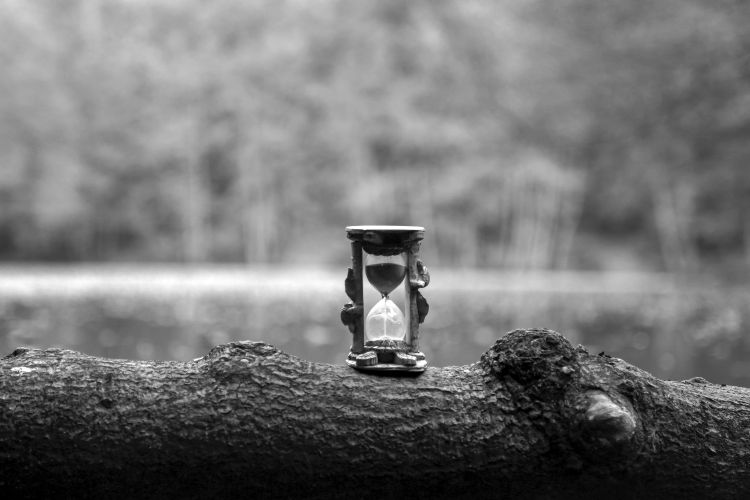
Death is coming, and it may come much quicker than we’d like. This is one of the drums Ecclesiastes bangs repeatedly; it is also a key to enjoying life.
Behold, what I have seen to be good and fitting is to eat and drink and find enjoyment in all the toil with which one toils under the sun the few days of his life that God has given him, for this is his lot. (Ecclesiastes 5:18)
In the context of another passage about enjoying life, the Preacher also says, “Whatever your hand finds to do, do it with your might, for there is no work or thought or knowledge or wisdom in Sheol, to which you are going” (Eccl 9:10).
Ecclesiastes puts our life in context, and one foundational context is that life is finite. We may act as though life will extend forever—that’s often easier than confronting our mortality, after all—but pretending does not conjure reality. This life ends, no exceptions.
It may seem counterintuitive, but accepting this truth makes life easier to enjoy. We cannot enjoy this life after we die; therefore, we should enjoy life now. Let’s push it a bit further: if, drawing on a monastic impulse, we refuse to enjoy what God gives us in this life, we do not honor our God who loves to give.
Receive God’s Gifts
In his book Living Life Backward, David Gibson presents one of the early contrasts in Ecclesiastes as gain versus gift. Will we take good parts of our human lives (work, wisdom, pleasure) and use them for our gain, or will we receive and enjoy them as gifts?
Recognizing the good things in our lives as gifts, the Preacher would contend, is crucial to our joy.
There is nothing better for a person than that he should eat and drink and find enjoyment in his toil. This also, I saw, is from the hand of God, for apart from him who can eat or who can have enjoyment? (Ecclesiastes 2:24-25)
I perceived that there is nothing better for them than to be joyful and to do good as long as they live; also that everyone should eat and drink and take pleasure in all his toil—this is God’s gift to man. (Ecclesiastes 3:12-13)
Behold, what I have seen to be good and fitting is to eat and drink and find enjoyment in all the toil with which one toils under the sun the few days of his life that God has given him, for this is his lot. Everyone also to whom God has given wealth and possessions and power to enjoy them, and to accept his lot and rejoice in his toil—this is the gift of God. (Ecclesiastes 5:18-19)
We honor God most when we enjoy his gifts as gifts—when we don’t try to make them into anything more. They are not meant to increase our status, they do not determine our identity, they are not a way for us to earn favor with God or others.
We are on the path to enjoying life when we recognize God as the good giver he is, developing the habit of receiving what God places in our empty, outstretched hands. The Preacher mentions food, drink, work, wisdom, knowledge, wealth, possessions, and marriage in the context of gifts of God we should enjoy. God does not give all of these gifts at all times to all people; yet when he gives, we can rejoice.
God Must Give the Joy
One of the most sobering passages in Ecclesiastes comes at the beginning of chapter 6.
There is an evil that I have seen under the sun, and it lies heavy on mankind: a man to whom God gives wealth, possessions, and honor, so that he lacks nothing of all that he desires, yet God does not give him power to enjoy them, but a stranger enjoys them. This is vanity; it is a grievous evil. (Ecclesiastes 6:1-2)
The Preacher writes this directly after noting how good it is when God gives power to enjoy his gifts (Eccl 5:19). So, let’s make this crystal clear: not all who have God’s gifts will enjoy them!
Common sense may dictate that joy rises and falls in proportion to our possessions, health, or other tangible markers of vitality. But that’s not the way God’s world actually works. God gives some great wealth and no joy while he gives others meager belongings and exceeding happiness. This is part of the upside down nature of the kingdom of God.
God Approves
The Preacher pulls few punches in Ecclesiastes. He writes about oppression, futility, and death. A lot.
Yet this honest assessment of the fallen creation, far from being a barrier to joy, is a prerequisite for joy. There is no hero’s journey we must undertake. Rather, we only need to see ourselves as finite and created, receive good gifts from our creator, and use those gifts in the way they are intended.
God gives to those who please him (Eccl 2:26); for those whose work he has approved, he tells them to eat with joy and drink with a merry heart (Eccl 9:7). The honest reader of Ecclesiastes must ask: How can I please God?
The looking-ahead answer that Ecclesiastes gives is to “fear God and keep his commandments” (Eccl 12:13). In its massive scope, and in the face of human sin, this points ahead to Jesus, the one who perfectly feared God and kept all of his commandments.
We may not think of Jesus as the most joyful human ever, but he was—and is. Joy is a fruit of the Holy Spirit, so those who walk by the Spirit will grow in joy. And instruction for growth in this joy is found in part, of all places, in Ecclesiastes.